

Simplifying Planning for Ceremonies: A Gentle Guide to Your Special Day
- fprpic
- Aug 11
- 4 min read
Planning a ceremony can feel like standing at the edge of a vast ocean, unsure where to dive in. I’ve been there—overwhelmed by choices, details, and the pressure to make everything perfect. But what if I told you that simplicity could be your greatest ally? That by embracing a few thoughtful strategies, you could transform the entire experience into something joyful and deeply personal?
Let’s walk through this together. I want to share how to simplify your ceremony planning process so that your celebration truly reflects your unique story without the stress.
Embracing Simplicity: The Heart of Simplifying Planning for Ceremonies
When I first started planning, I thought complexity meant significance. The more details, the more meaningful the event. But I quickly learned that simplicity often carries the most profound meaning. It’s about focusing on what truly matters to you and letting go of the rest.
Start by asking yourself: What do I want this ceremony to feel like? Is it intimate? Joyful? Reflective? Once you have that feeling in mind, everything else becomes easier to decide.
Here are some practical ways to simplify:
Prioritize your values: What parts of the ceremony are non-negotiable? Maybe it’s a reading, a particular song, or a symbolic ritual.
Limit your guest list: Smaller gatherings often feel more personal and less overwhelming.
Choose a meaningful location: It doesn’t have to be extravagant. A local park, a cozy backyard, or a favorite café can be perfect.
Delegate tasks: Don’t hesitate to ask close friends or family to help with specific parts.
By focusing on these essentials, you create space for genuine connection and heartfelt moments.

How to Stay Grounded During the Planning Journey
Planning can sometimes feel like a whirlwind. I remember moments when I was caught up in endless to-do lists and decisions that seemed to multiply overnight. It’s easy to lose sight of why you started.
Here’s what helped me stay grounded:
Take breaks: Step away from planning regularly. Go for a walk, meditate, or simply breathe deeply.
Journal your thoughts: Writing down your feelings can clarify what’s important and release anxiety.
Visualize the day: Imagine the ceremony unfolding exactly as you want it. What do you see? Hear? Feel?
Set realistic timelines: Avoid cramming everything into a short period. Spread out tasks to reduce pressure.
Remember, this is your celebration. It’s okay to feel vulnerable and uncertain. Those feelings are part of the process and often lead to the most authentic choices.
What is the 50 20 30 Rule for Weddings?
You might have heard about budgeting strategies like the 50 20 30 rule, which can be a helpful framework for managing your ceremony expenses without stress.
Here’s how it breaks down:
50% on essentials: This includes venue, officiant, and basic necessities that form the foundation of your ceremony.
20% on extras: Think of these as enhancements—flowers, music, or special attire that add personality.
30% on personal touches: This is where your unique story shines through. Custom vows, meaningful rituals, or personalized decor.
Using this rule helps keep your spending balanced and intentional. It encourages you to invest in what truly matters while allowing room for creativity.
Crafting a Ceremony That Feels Uniquely Yours
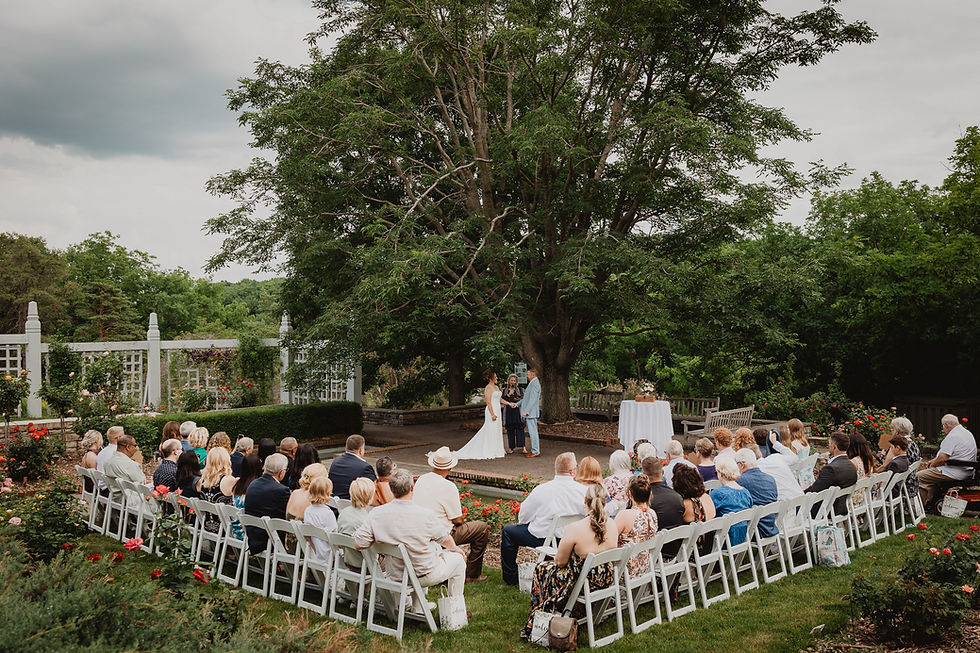
One of the most beautiful parts of planning a non-religious ceremony is the freedom to create something that reflects your values and story. I found that the more I embraced this freedom, the more meaningful the ceremony became.
Here are some ideas to inspire you:
Write your own vows: Speak from the heart. Share your promises, hopes, and dreams in your own words.
Include loved ones: Invite family or friends to participate with readings, music, or symbolic acts.
Incorporate meaningful symbols: Whether it’s lighting a unity candle, planting a tree, or exchanging letters, these gestures add depth.
Choose music that resonates: Songs that tell your story or evoke special memories can set the tone beautifully.
Don’t be afraid to break tradition. Your ceremony is a reflection of your journey together, and it should feel authentic to you.

Moving Forward with Confidence and Joy
As you continue your planning, remember that simplicity doesn’t mean sacrificing beauty or meaning. It means making space for what truly matters and letting go of what doesn’t.
If you ever feel overwhelmed, pause and return to your core intention. What story do you want to tell? How do you want to feel on that day? These questions will guide you back to clarity.
And if you want a little extra support, consider reaching out to professionals who specialize in deeply personal, non-religious ceremonies. They can help you navigate the details while honoring your unique vision.
Planning your ceremony is a journey of love, reflection, and creativity. Embrace it with an open heart, and you’ll create a celebration that feels just right.
If you want to explore more about the ceremony planning process, there are wonderful resources and experts ready to help you make your day truly special.
I hope this gentle guide brings you comfort and inspiration as you plan your ceremony. Remember, the most beautiful celebrations come from simplicity, sincerity, and the stories that only you can tell.


Comments