

Creating Meaningful Celebration of Life Events: A Life Celebration Planning Guide
When we think about honoring a life, what comes to mind? Is it the quiet moments of reflection, the stories shared around a table, or the laughter that bubbles up unexpectedly? Creating meaningful celebration of life events is about more than just marking an ending. It’s about embracing the fullness of a person’s journey and crafting a space where memories, love, and legacy intertwine.
I’ve found that these gatherings, especially when personalized and non-religious, offer a unique opportunity to connect deeply with what truly matters. They invite us to pause, to remember, and to celebrate in ways that feel authentic and healing. So, how do we begin to plan such a heartfelt event? Let’s explore this life celebration planning guide together.
Life Celebration Planning Guide: Setting the Tone and Intent
The first step in planning a meaningful celebration of life is to consider the tone you want to set. This isn’t about following tradition or ticking boxes. It’s about feeling what the event should be. Should it be joyful and light? Reflective and intimate? Or perhaps a blend of both?
Ask yourself:
What would the person being honored have wanted?
What stories or qualities do you want to highlight?
How can the event reflect their personality and values?
For example, if the person loved nature, a gathering in a garden or park might feel right. If they were a lover of music, incorporating their favorite songs or live performances can add a personal touch. The key is to create an atmosphere that feels genuine and comforting to those attending.
Practical tip: Start by writing down a few words or phrases that capture the essence of the person’s life. Use these as a compass to guide your decisions about venue, decor, and activities.
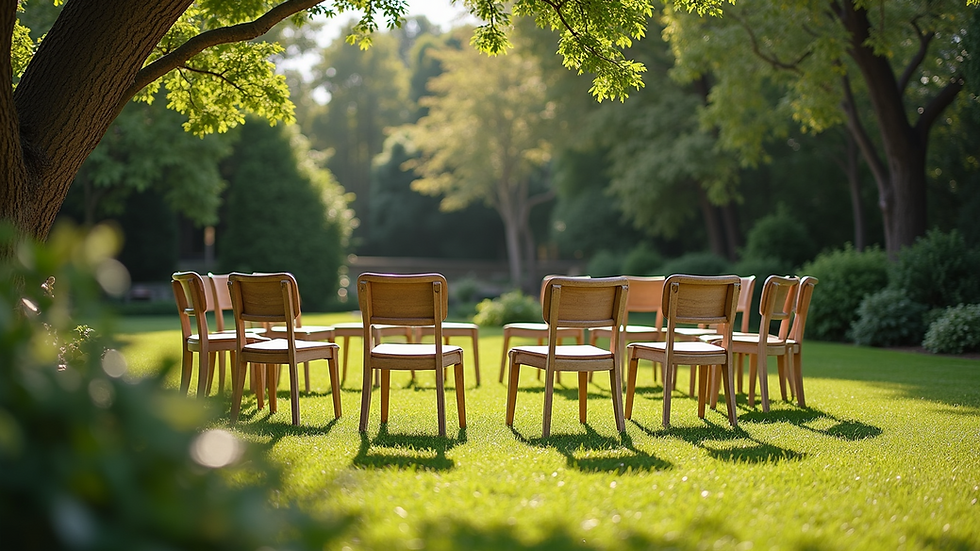
Crafting Personal and Inclusive Experiences
One of the most beautiful aspects of a celebration of life is its ability to bring people together in a way that feels inclusive and personal. Unlike traditional funerals, these events can be tailored to reflect the unique relationships and stories that shaped the person’s life.
Consider incorporating:
Memory sharing sessions: Invite guests to share stories or memories. This can be done informally or through a structured activity like a “memory jar” where people write notes.
Creative expressions: Encourage guests to contribute through art, music, or writing. For instance, a collaborative art piece or a playlist of meaningful songs.
Symbolic rituals: These don’t have to be religious. Lighting candles, planting a tree, or releasing biodegradable balloons can symbolize hope, growth, and remembrance.
Remember, the goal is to create a space where everyone feels they can participate in a way that honors their connection to the person.
Practical tip: Provide prompts or gentle guidance for sharing memories to help guests who might feel unsure about speaking up.
Choosing the Right Venue and Atmosphere
The setting of a celebration of life can profoundly influence the mood and experience. It’s worth taking time to find a place that resonates with the spirit of the event.
Some ideas include:
A cozy home or backyard for an intimate gathering.
A community center or art gallery for a more public celebration.
A favorite restaurant or café that held special meaning.
Outdoor spaces like parks, beaches, or botanical gardens.
Think about accessibility, comfort, and the kind of interaction you want to encourage. Soft lighting, comfortable seating, and thoughtful decor can all contribute to a warm and welcoming environment.
Practical tip: If you’re working with celebration of life services, they can often help with venue recommendations and setup to match your vision.

Incorporating Meaningful Elements and Keepsakes
Small details often carry the most meaning. Including personalized elements can make the event feel truly unique and memorable.
Here are some ideas:
Memory tables: Display photos, mementos, and favorite items that tell the story of the person’s life.
Custom programs or booklets: Share the order of events, favorite quotes, or stories.
Guest books or video messages: Allow attendees to leave messages that can be cherished later.
Food and drink: Serve favorite dishes or drinks that reflect the person’s tastes or heritage.
These touches not only honor the individual but also provide comfort and connection for those attending.
Practical tip: Consider creating a digital archive or keepsake box with collected memories and messages to share with family and friends afterward.
Navigating Emotions and Finding Comfort in the Process
Planning a celebration of life is deeply emotional. It’s okay to feel overwhelmed, uncertain, or even joyful as you navigate this process. Allow yourself the space to experience these feelings without judgment.
Sometimes, the most meaningful moments come from vulnerability and openness. Sharing your own stories, tears, and laughter can invite others to do the same. It’s in these shared moments that healing often begins.
If you’re feeling stuck, don’t hesitate to reach out for support. Whether it’s a trusted friend, a professional planner, or a counselor, having someone to talk to can make a big difference.
Practical tip: Take breaks when needed. Planning doesn’t have to be done all at once. Small steps can lead to a beautiful, heartfelt event.
Creating a meaningful celebration of life is a journey - one that honors the past while embracing the present. It’s about crafting a space where stories live on, where love is felt deeply, and where every detail reflects the unique spirit of the person you’re celebrating.
If you’re looking for guidance or support in this process, consider exploring celebration of life services that specialize in personalized, non-religious ceremonies. They can help you bring your vision to life with care and creativity.
May your celebration be a true reflection of the life it honors - full of warmth, sincerity, and heartfelt connection.


Comments